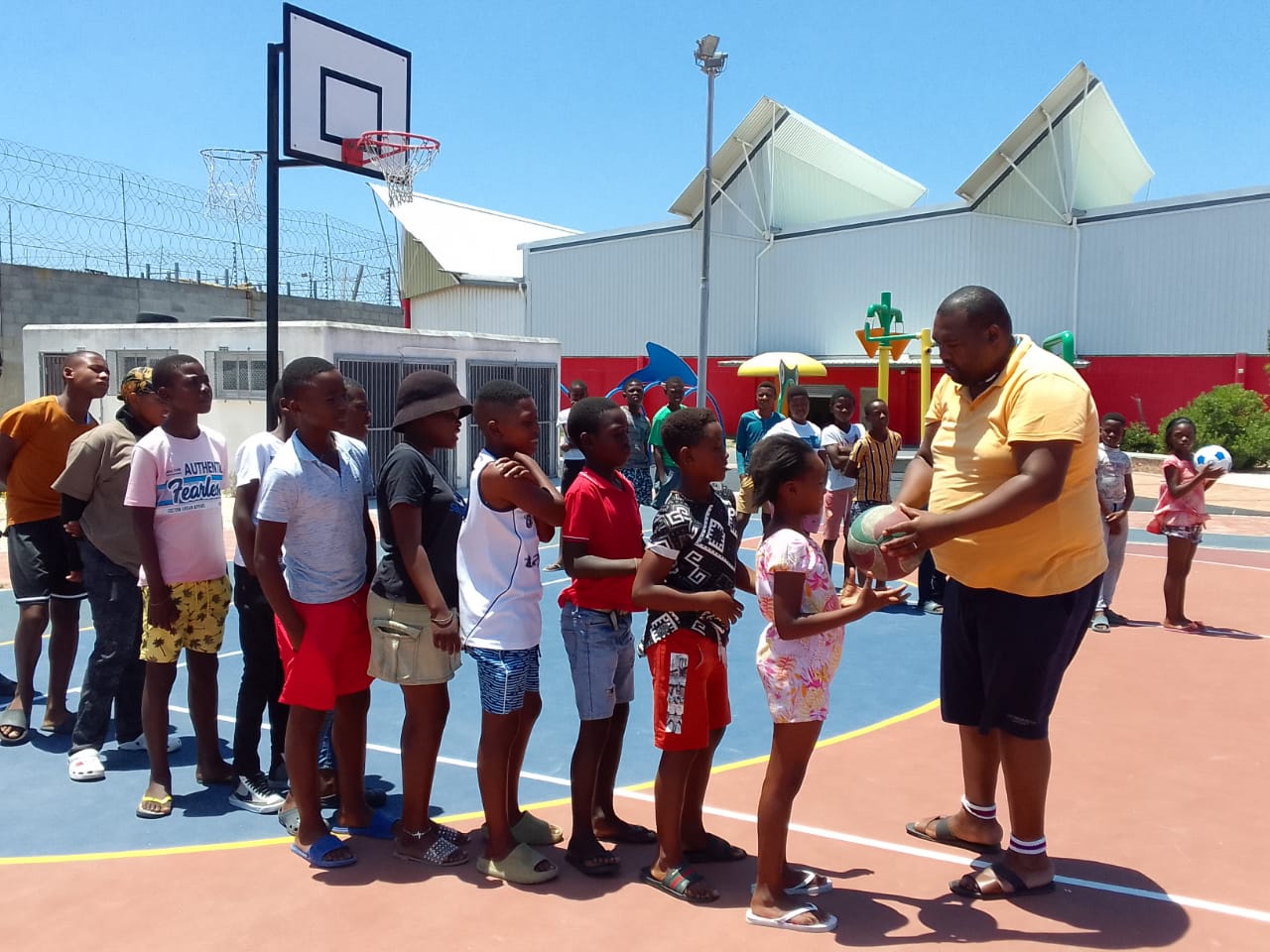
Life Skills programme has been designed to respond to the social and behavioral drivers of HIV, especially among vulnerable young people. The program are essentially those abilities that help promote mental well-being and competence in young people as they face realities of life. Most development professionals agree that life skills are generally applied in the context of health and social events. of the programme has been guided by national policies and strategies that address pressing challenges of HIV, TB and STIs as they affect orphans, vulnerable children, and youth, aimed at building resilience, increasing the autonomy, self-esteem, and self-efficacy of the individual, and minimizing risky sexual behaviours.